Building planning, 3D modelling, and quantity estimation services
Plan buildings that balance design intent with regulatory compliance, ensuring smooth approvals and constructible outcomes.
Learn MoreVisualise buildings in three dimensions and develop intelligent models that support design coordination, clarity, and informed decision-making.
Learn MoreTranslate drawings and models into measurable quantities and cost insights for budgeting, procurement, and construction control.
Learn MoreVALASEI undertakes building planning for residential, commercial, industrial, institutional, and transport terminal developments. Both high-rise and non-high-rise buildings are planned, drafted, color-coded.
All planning parameters are regulated strictly in accordance with the Tamil Nadu Combined Development and Building Rules, 2019, including FSI and coverage computation, setback spaces, parking requirements, minimum requirements of building parts, and structural safety provisions, meeting the approval requirements of the Directorate of Town and Country Planning, Chennai Metropolitan Development Authority, and respective local bodies.
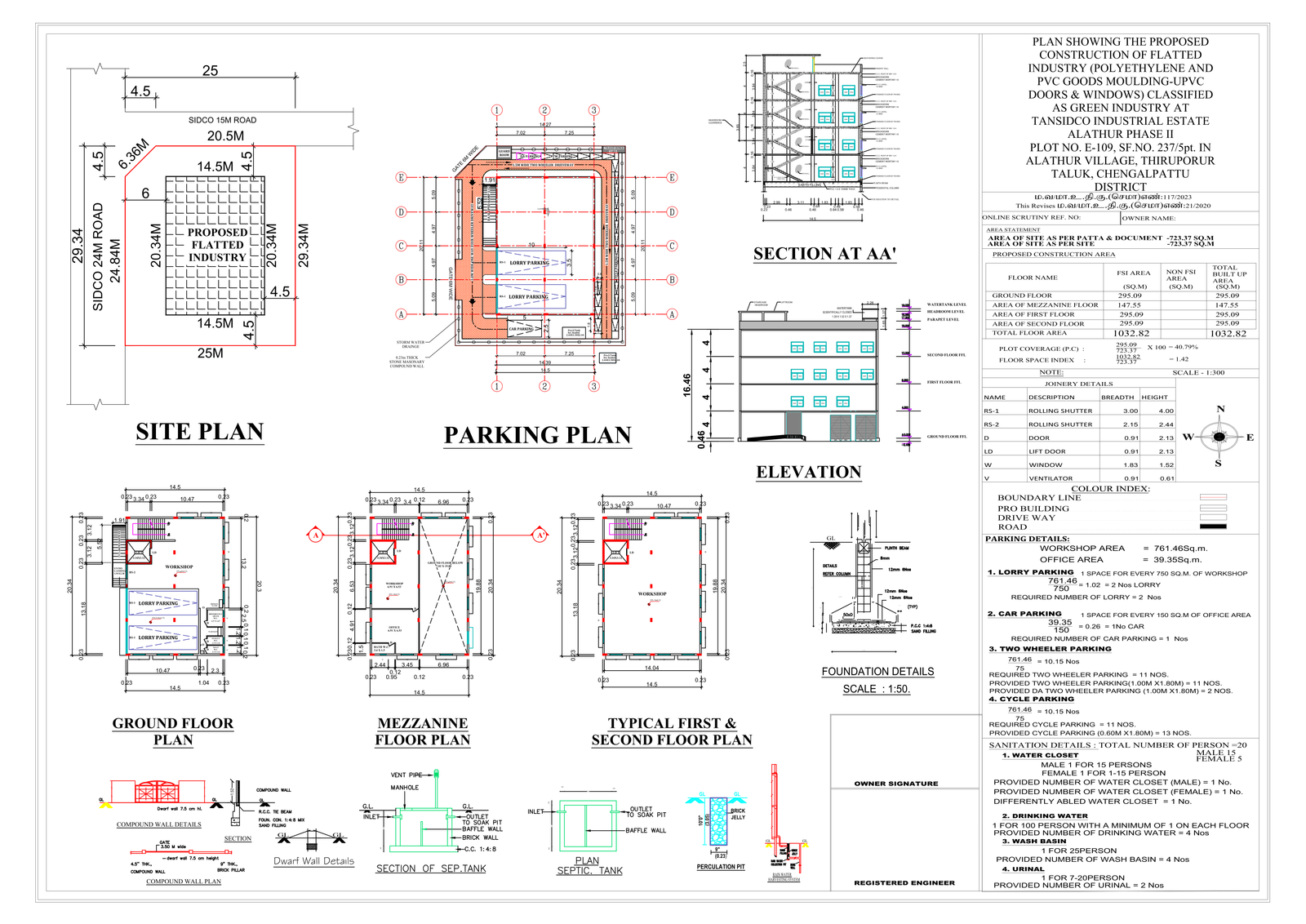
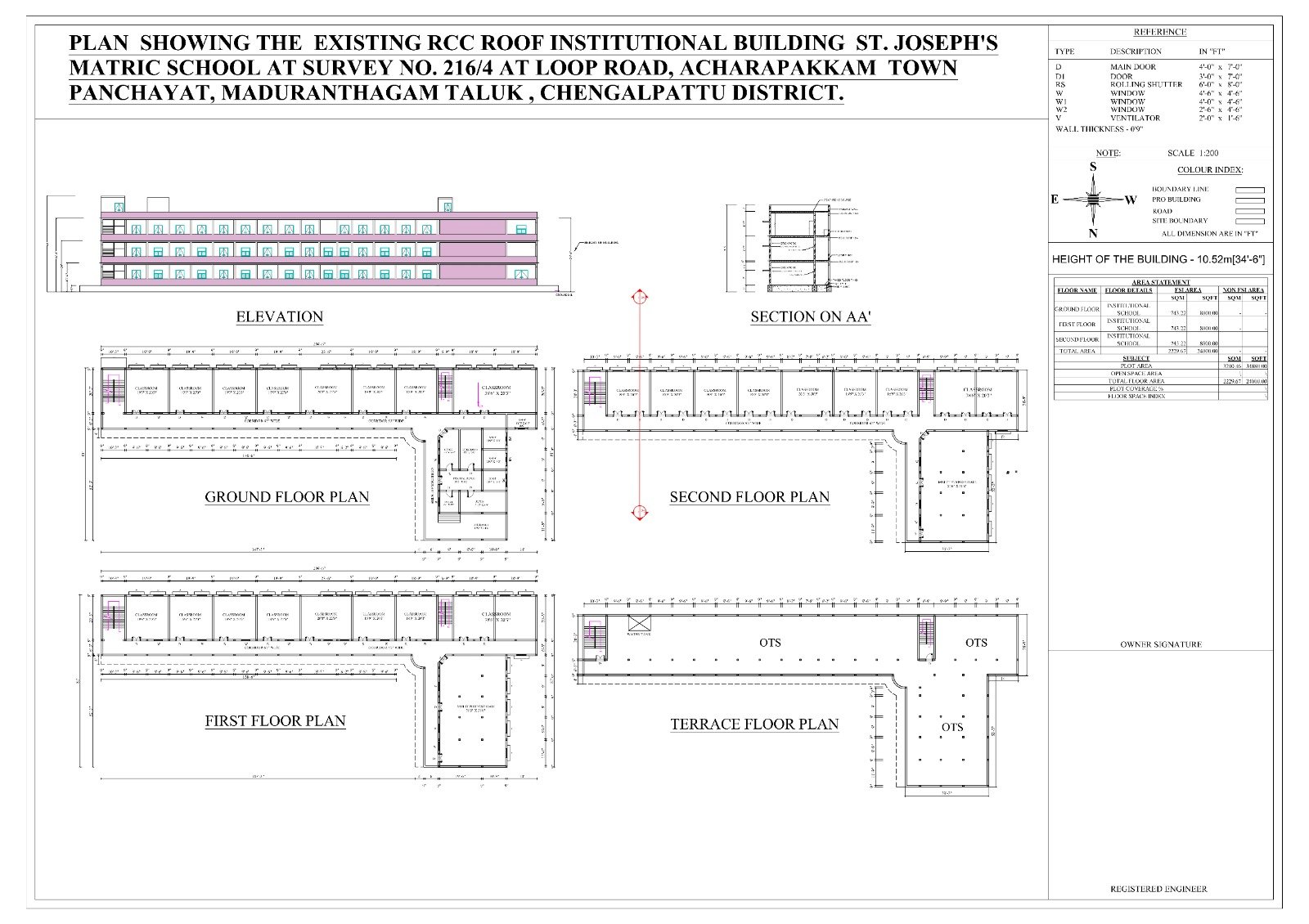
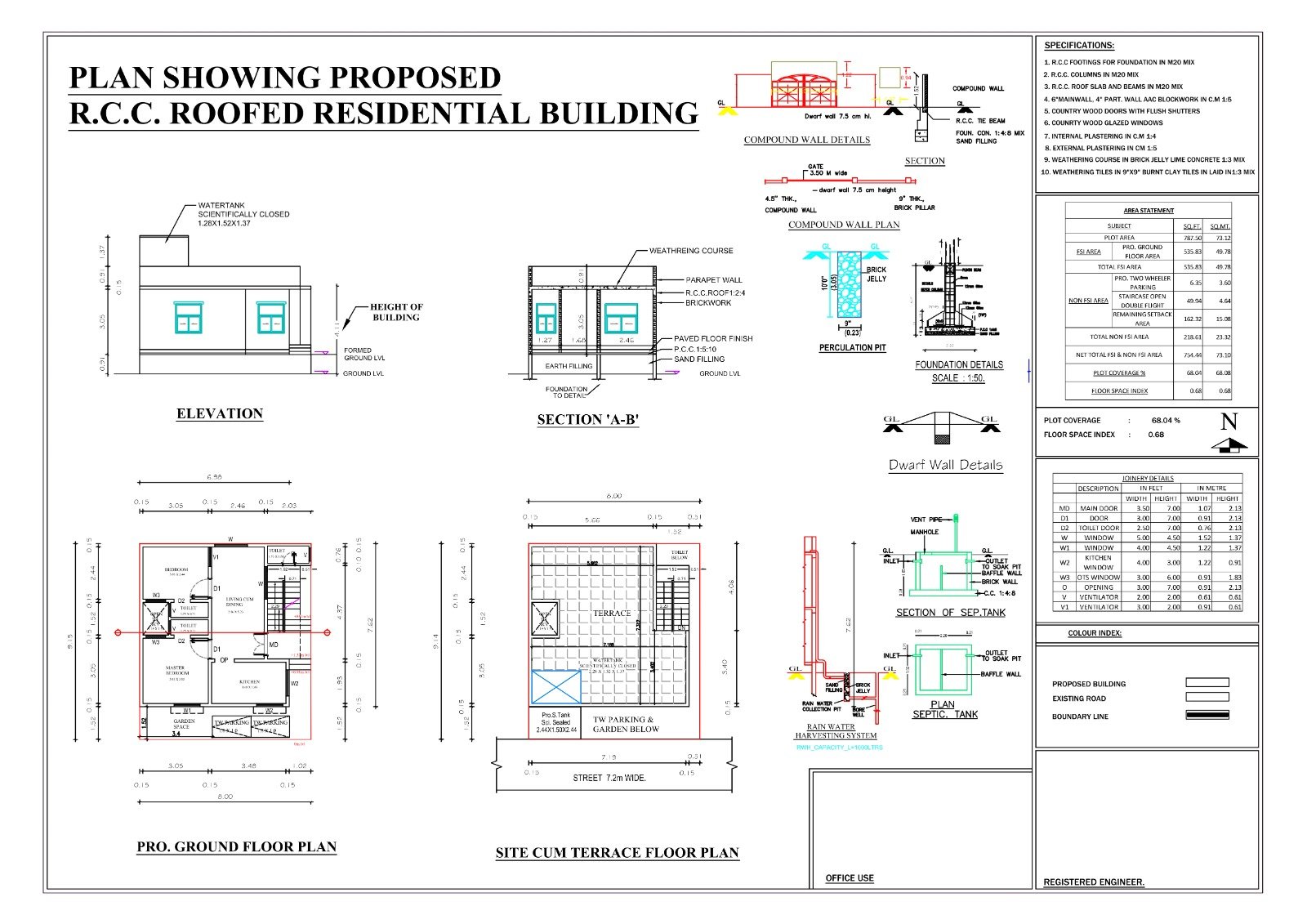
Industrial Planning classified GREEN, for XINDO WINDOW at TANSIDCO industrial estate Location- Thiruporur, Chennai
A 2D plan tells you what is permitted, but a 3D conceptual model shows you what will actually exist. Converting floor plans into 3D models brings clarity to exterior massing, façade articulation, interior volumes, and spatial flow. With 3D visualisation and virtual walkthroughs, you can inspect and experience the building virtually before construction begins.
We give form to your ideas, preferences, and design intent, translating them into a 3D space that reflects how you want the building to feel and function. Our architectural and design team shapes this concept into a model you can see, experience, and confidently move forward with.
Unlike a visual model, BIM functions as an intelligent model. Materials, quantities, and construction components are embedded within it, and the building is digitally organised into mechanical, electrical, and plumbing systems, supporting coordination, quantity assessment, and execution planning with precision.
3D conceptual models, BIM models, virtual walkthroughs, interior and exterior visualisations, façade detailing views, MEP system segregation models, model-based design & material review outputs.
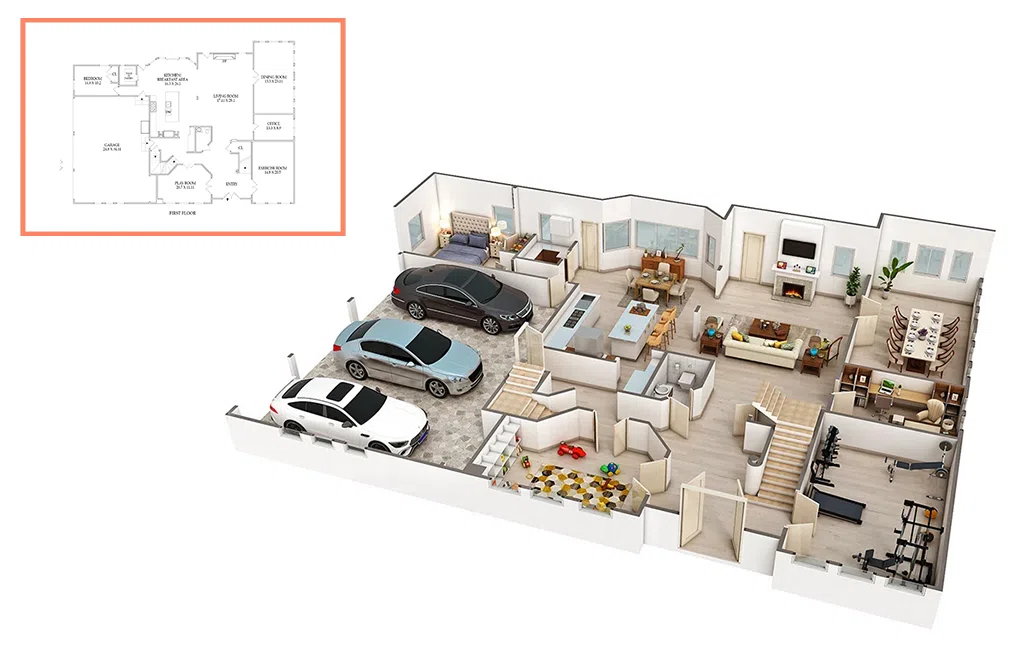
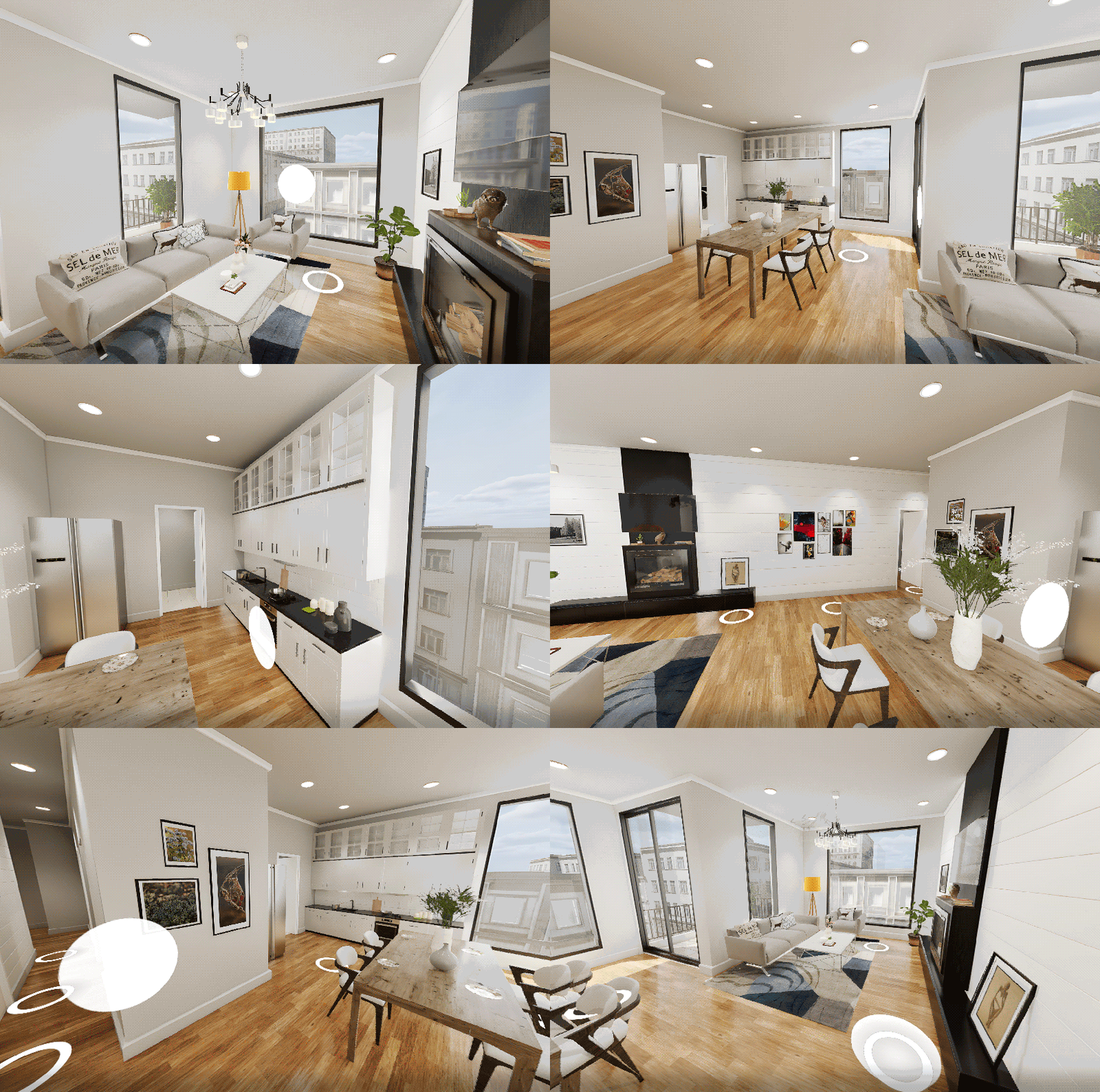
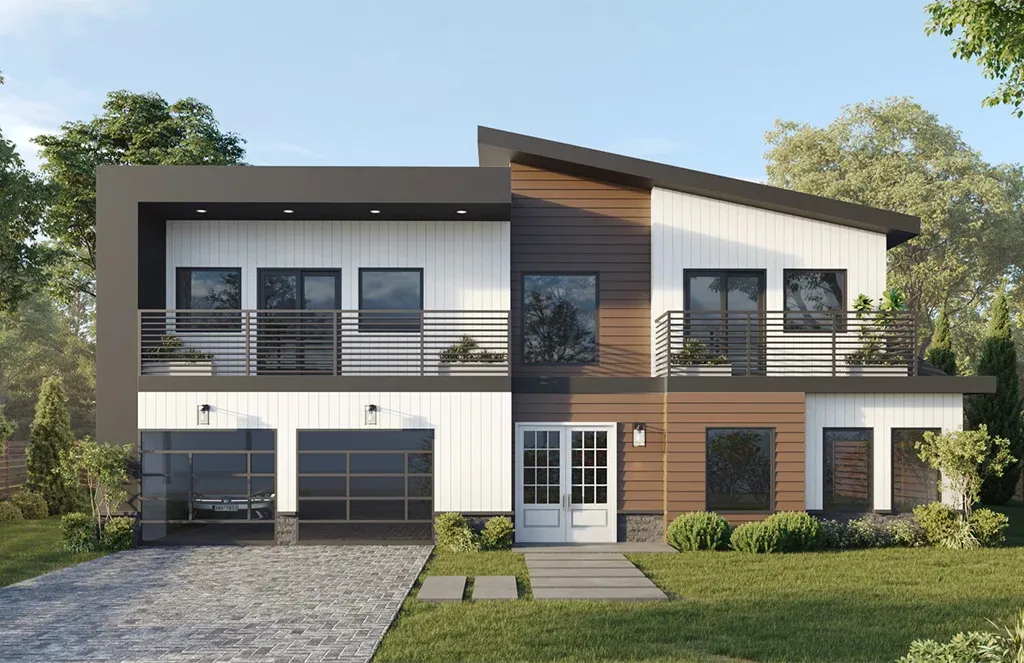
A 3D Residential model for visualization
Once your building is defined—through an BIM model or 2D plans, sections, and elevations—construction quantities can be derived with precision. Areas such as plinth area and carpet area are measured accurately, forming the basis for item-wise quantity computation and early cost visibility, replacing assumptions with measurable scope.
We perform model-based quantity extraction from BIM wherever available, ensuring consistency between architectural geometry and measured outputs. Where BIM is not part of your workflow, quantities are derived from 2D drawings using standard Indian measurement practices, ensuring alignment across both digital and conventional estimation methods.
You receive a detailed BOQ (Bill of Quantities) supported by Abstract Estimates, Rate Analysis, and data sheets that define item descriptions, units, quantities, and applicable rates referenced against the Schedule of Rates (SOR). Together, we ensure you get a clear, auditable cost structure suitable for budgeting, tendering, and construction planning.
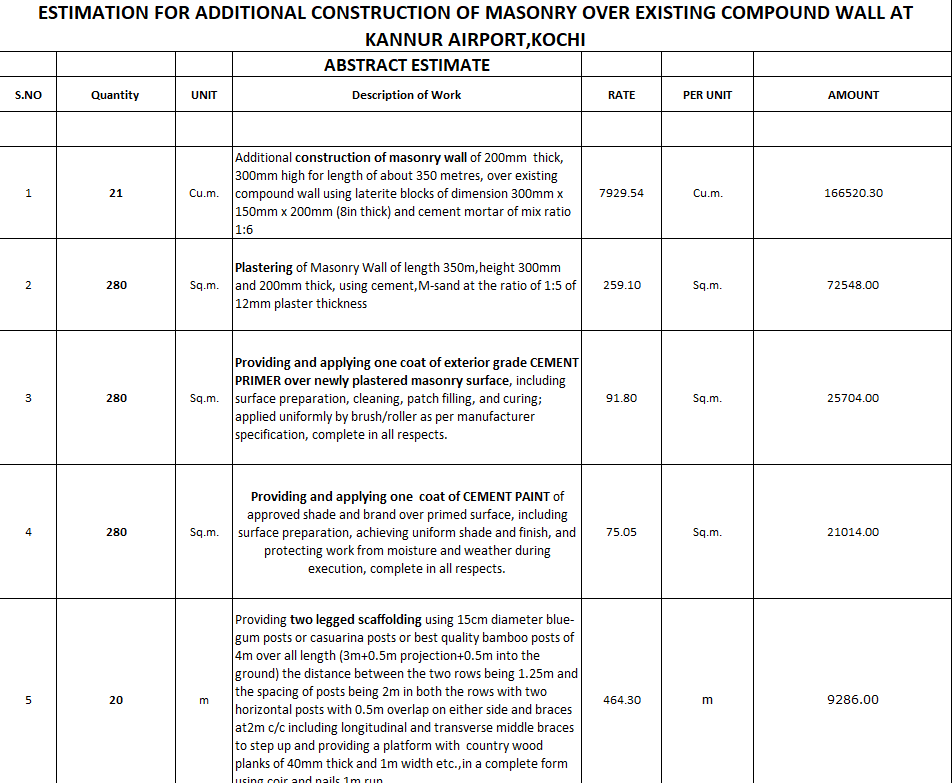
Estimation for additional masonry construction over the existing compound wall at Kannur Airport, Kochi
Connect with our architecture and planning specialists
Connect With Us